
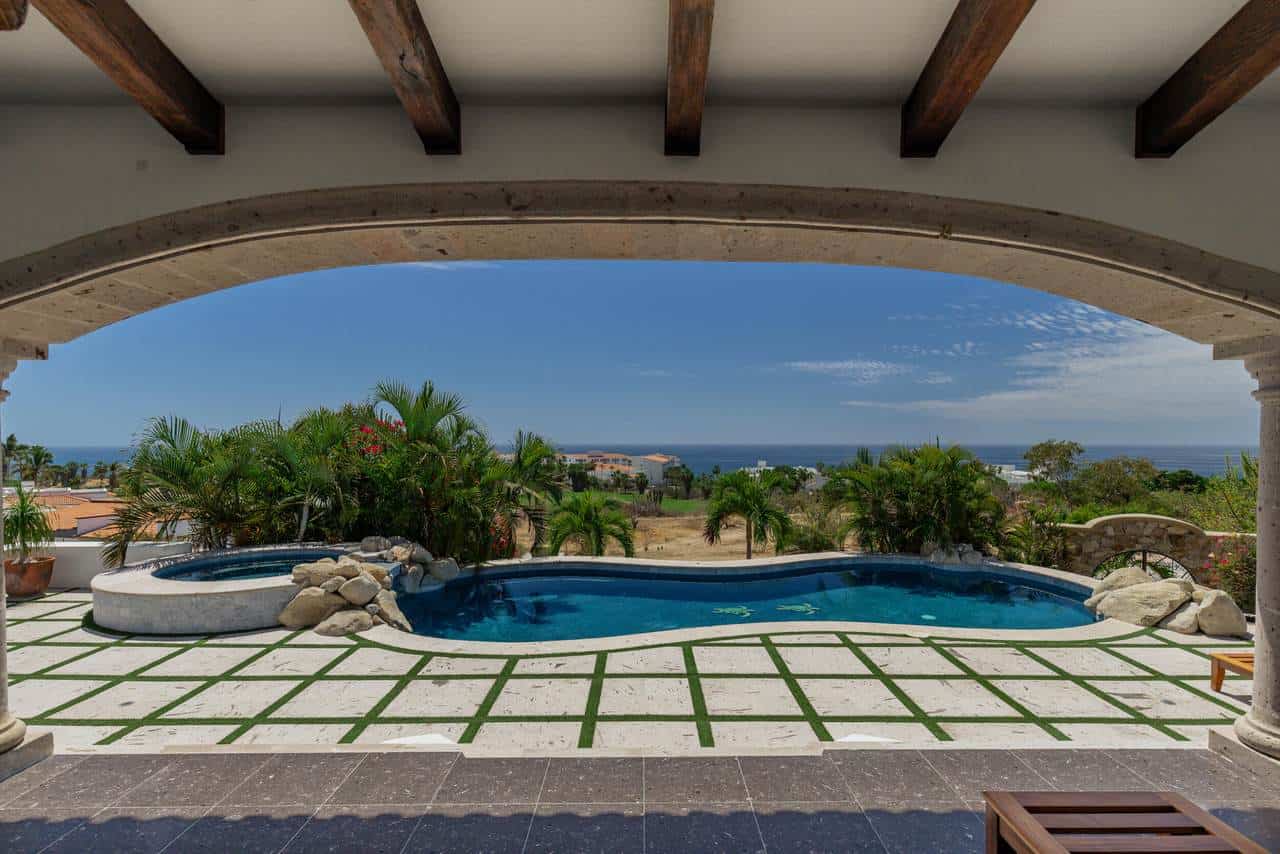
Purchasing a luxury estate or vacation residence along the Baja California peninsula is an ambition shared by discerning buyers across the United States, Canada, and around the globe. Whether you are eyeing a magnificent oceanfront villa along the Resort Corridor or a serene hillside retreat, navigating cross-border real estate transactions requires clear financial strategy. For international buyers, understanding the pathways for financing a home in Los Cabos can turn an ambitious investment goal into an efficient, secure reality.
While many luxury real estate purchases in Mexico historically involved all-cash transactions, today’s financial landscape offers robust cross-border loan programs, seller financing models, and domestic equity strategies tailored specifically to non-Mexican citizens. This guide explores the most effective mechanisms for securing property financing in Baja California Sur, helping you preserve liquidity while acquiring prime real estate in prestigious resort destinations.
Understanding Foreign Ownership and Legal Frameworks
Before exploring mortgage mechanisms, international buyers must understand how property is legally held in Mexico. Under Article 27 of the Mexican Constitution, direct ownership of property located within the “Restricted Zone”—defined as 50 kilometers (approximately 31 miles) from shoreline or 100 kilometers from national borders—is governed by a trust mechanism known as a fideicomiso.
Managed by official Mexican financial institutions and overseen by the Secretaría de Relaciones Exteriores (SRE), a fideicomiso grants foreign buyers complete legal rights to use, build, lease, sell, or pass down property to heirs. When securing a mortgage on a villa or condominium, the lender places a lien against your rights within the trust rather than holding a conventional U.S. or Canadian title deed. You can learn more about how foreign buyers navigate title, trusts, and legal closings in our detailed guide on buying real estate in Los Cabos as a foreigner.
Key Strategies for Financing a Home in Los Cabos
Foreign buyers seeking financial leverage have several cross-border pathways available. The best choice depends on whether you prefer U.S. Dollar (USD) or Mexican Peso (MXN) debt, your target loan-to-value (LTV) ratio, and how quickly you wish to close the transaction.
1. Cross-Border Lenders (USD-Denominated Loans)
Cross-border financial entities offer specialized USD loans designed specifically for American and Canadian citizens purchasing residential property in Mexico. Because loan proceeds, monthly debt service, and principal payments are conducted entirely in U.S. Dollars, buyers avoid foreign exchange volatility.
- Loan-to-Value Ratio: Generally ranges between 50% and 70% of the property’s appraised value.
- Loan Terms: Typically 15- to 30-year fully amortizing loans or 5- to 10-year adjustable-rate structures.
- Underwriting Criteria: Underwriting follows standard North American criteria, evaluating credit scores (typically requiring a minimum score of 680–720), debt-to-income (DTI) ratios, and verified liquid reserves.
Cross-border loans are particularly popular among buyers acquiring high-end single-family residences in premier master-planned communities, such as world-class Cabo Real homes for sale.
2. Mexican Commercial Bank Mortgages
Major commercial banks in Mexico—including BBVA Mexico, Scotiabank, and Banorte—offer residential mortgage products to foreign residents who hold valid temporary or permanent residency status. Monitored under regulatory frameworks established by Banco de México, these loans are typically denominated in Mexican Pesos (MXN).
While interest rates on MXN-denominated bank loans can be higher than North American benchmarks, this path allows buyers earning income within Mexico or investors seeking to balance foreign asset exposure to lock in local institutional debt. Applicants must provide verified income statements, undergo local tax reviews, and complete formal property appraisals conducted by bank-certified evaluators.
3. Developer and Seller Financing
In the luxury segment, developer financing and seller-funded mortgage agreements represent some of the most streamlined solutions for foreign buyers. Developers of ultra-luxury boutique projects and private sellers often offer short- to medium-term financing options to facilitate smooth transactions.
- Term Lengths: Usually short-term, spanning 2 to 5 years, often structured with a balloon payment at maturity.
- Down Payment Requirements: Typically require 30% to 50% down at execution of the promissory contract.
- Simplified Closing: Minimal underwriting compared to formal banking entities, allowing fast closings without lengthy credit reviews.
Seller financing is widely utilized across established luxury enclaves along the Corridor, including hillside residences in Pedregal or exclusive resort developments in Cabo del Sol.
4. Asset-Backed Lines of Credit & Equity Refinancing
For high-net-worth investors, leveraging domestic assets held in their home country remains one of the most cost-effective methods for financing a home in Los Cabos. By securing a Home Equity Line of Credit (HELOC) or refinancing primary real estate holdings in the U.S. or Canada, buyers can access capital at lower domestic interest rates.
Once equity is drawn in USD, the buyer can make an all-cash purchase offer in Mexico. All-cash offers provide significant negotiating power, lower transaction costs by avoiding cross-border loan origination fees, and significantly reduce closing timelines.
Comparing Cross-Border Financing Options
| Financing Mechanism | Currency | Typical Down Payment | Key Advantage |
|---|---|---|---|
| Cross-Border Lenders | USD | 30% – 50% | Eliminates currency exchange risk; familiar U.S. underwriting standards. |
| Mexican Banks | MXN | 20% – 40% | Ideal for Mexican residents or those with local Peso revenue streams. |
| Seller / Developer Financing | USD / MXN | 30% – 50% | Fast approval process with flexible terms directly negotiate with sellers. |
| Domestic Equity (HELOC) | USD / CAD | 0% (Cash offer) | Lowest available interest rates and maximum negotiating leverage in Mexico. |
Essential Steps in the Cross-Border Mortgage Process
Financing high-end coastal real estate in Baja California involves specific legal and bureaucratic procedures. Following a structured step-by-step approach ensures your purchase remains secure and compliant with both Mexican law and international banking standards.
Step 1: Secure Pre-Approval
Engage with a cross-border mortgage broker or lender specializing in Mexican resort real estate before beginning your active home search. Obtaining a formal pre-approval letter clarifies your actual purchasing power and demonstrates financial capability to luxury sellers.
Step 2: Reserve the Property & Draft the Promissory Contract
Once you select an ideal property—such as an ocean-view condo within our inventory of Cabo Real condos for sale—your real estate representative will draft an Offer to Purchase (Oferta de Compra). Upon seller acceptance, a bilateral Promissory Agreement (Contrato de Promesa de Compraventa) is executed, setting purchase conditions, financing deadlines, and escrow deposit requirements.
Step 3: Title Search and Escrow Setup
Your closing attorney and lender will initiate a comprehensive legal due diligence review. A secure U.S.-based escrow agent holds earnest money funds while a licensed Mexican Notary Public (Notario Público) verifies title cleanliness, confirms clear tax status, and drafts the underlying trust terms.
Step 4: Official Property Appraisal & Final Approval
Cross-border lenders require an independent valuation by a certified Mexican appraiser (perito valuador) to confirm market value and structural integrity. Upon appraisal review, the underwriting department issues final loan authorization.
Step 5: Closing at the Notary Public
In Mexico, the Notario Público holds official state authority to formalize real estate transfers. At closing, the buyer, seller, lender representative, and notary execute the public deed (escritura pública). The bank trust is established or assigned, funds are disbursed from escrow, and ownership rights are registered in the Public Registry of Property.
Navigating Closing Costs and Associated Fees
When structuring your loan budget, keep in mind that closing costs on financed real estate transactions in Baja California Sur are somewhat higher than standard U.S. or Canadian transactions. Total closing expenses generally range between 6% and 9% of the purchase price.
- Acquisition Tax (ISAI): A state tax levied on property acquisitions (currently 2% in Baja California Sur).
- Notary Fees: Official fees set by law based on property purchase valuation.
- Fideicomiso Permits & Bank Fees: Government permit issuance through SRE and setup fees for the trustee bank.
- Loan Origination Fees: Cross-border lender underwriting fees, typically ranging from 1% to 2% of total loan value.
- Title Insurance: Optional but highly recommended policy issued by international title companies.
Factoring these expenses into your initial financial plan guarantees a stress-free purchase experience without unexpected last-minute capital calls.
Aligning Financing with Premier Corridor Communities
The chosen financing strategy frequently mirrors the specific type of resort property being acquired. For instance, turn-key beachfront condos and private resort villas in prestigious master-planned communities often qualify easily for cross-border institutional financing due to well-established legal infrastructure and strong historical sales comparables.
Whether you choose an expansive estate overlooking the Sea of Cortez in iconic communities like Palmilla or an active lifestyle residence within the renowned Cabo Real resort corridor, aligning your cross-border lending path with local market conditions optimizes both short-term capital deployment and long-term equity growth.
Frequently Asked Questions
Can U.S. and Canadian citizens get a mortgage in Mexico?
Yes. Non-Mexican citizens can easily secure mortgages for residential properties in Mexico. Foreigners can utilize specialized cross-border USD mortgage lenders, apply for MXN-denominated loans from commercial Mexican banks, or negotiate developer and seller financing structures directly.
What down payment is typically required for foreign property financing?
Cross-border lenders generally require a down payment ranging between 30% and 50% of the property’s appraised value. Seller financing options usually ask for 30% to 50% down, whereas domestic Mexican bank loans may accept lower down payments if the borrower holds Mexican legal residency.
How long does it take to close a financed purchase in Los Cabos?
A cash purchase in Mexico typically closes in 30 to 45 days. Financed transactions utilizing cross-border USD mortgages generally require 60 to 90 days to allow for comprehensive appraisal reviews, bank trust creation, and cross-border legal compliance.
Can rental income generated by the property be used to qualify for a loan?
Most institutional cross-border lenders evaluate an applicant’s existing personal debt-to-income ratio and current asset holdings rather than projected future rental yields. However, strong historical rental records can assist private sellers or specialized commercial lenders when evaluating financing terms.
Take the Next Step in Your Real Estate Journey
Navigating cross-border financial options, bank trust documentation, and local legal frameworks requires clear guidance from experienced local professionals. Whether you are seeking a vacation home along the golf fairway, a high-yield investment condominium, or an expansive oceanfront estate, our dedicated team is here to assist you through every stage of the transaction.
Explore current market opportunities or discuss your tailored acquisition plan by reaching out directly through our contact Cabo Real page today.


